Winery & Vineyard Wedding Venues
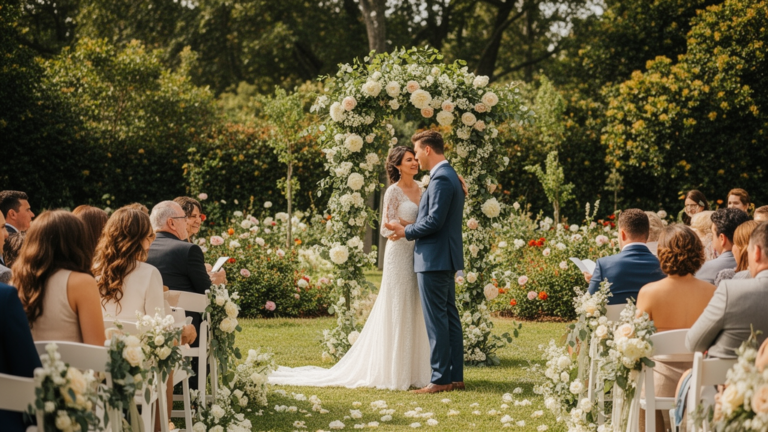
There’s an undeniable romance in exchanging vows among rolling vineyards, where the natural landscape provides a breathtaking backdrop without elaborate decor. Vineyard wedding venues blend rustic charm with culinary elegance, offering couples a seamless setting for both ceremony and reception. This guide covers the essentials to help you plan a memorable vineyard celebration that reflects your style and budget.
The Vineyard Aesthetic: Nature as Your Centerpiece
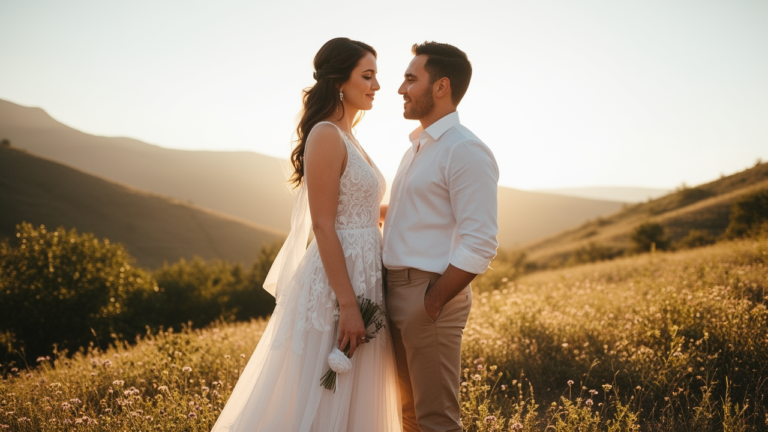
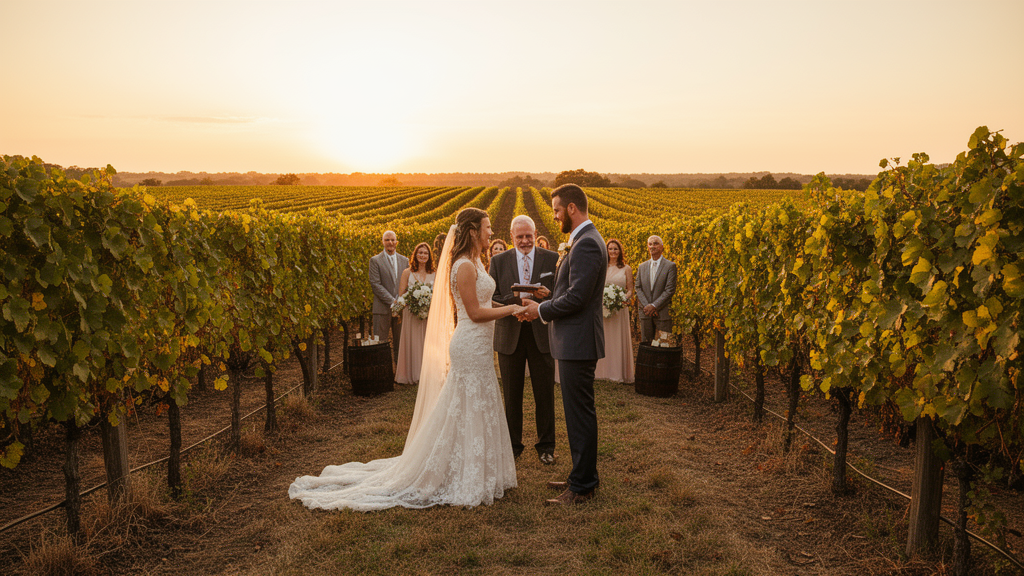
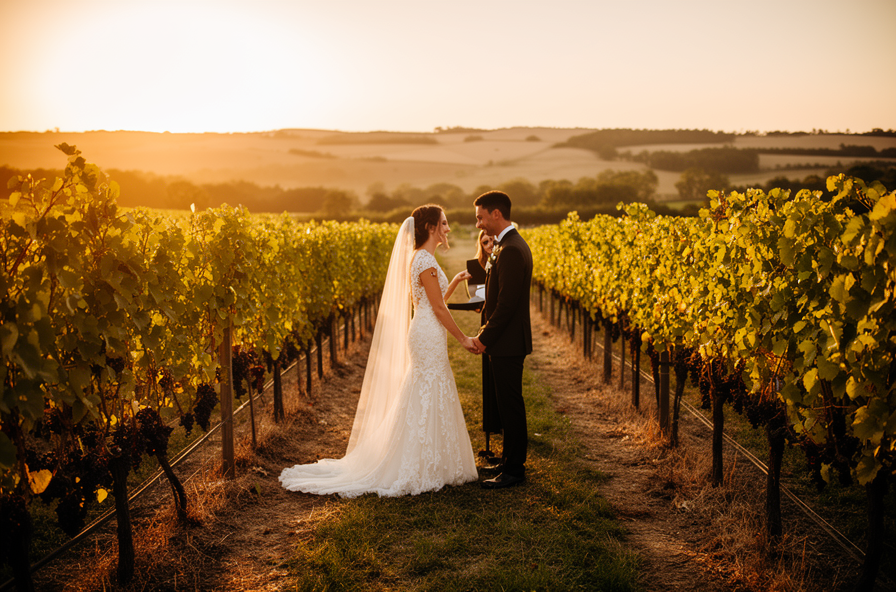
Vineyard venues thrive on their inherent beauty—rows of grapevines stretching toward the horizon, golden hour lighting that enhances photos, and the subtle scent of earth and greenery. This organic setting often requires minimal additional decor, allowing you to focus on personal touches like simple floral arrangements or lanterns along pathways. Consider how the landscape flows between your ceremony and reception spaces; some vineyards feature hillside spots for vows with panoramic views, while others offer intimate clearings surrounded by vines. The key is to let the venue’s natural architecture shine—avoid overcrowding the space with unnecessary elements. Remember that vineyard terrain can vary from flat, open fields to gently sloping hills, so discuss accessibility needs with your venue coordinator early on.
Tasting Room Receptions: Intimate and Inviting
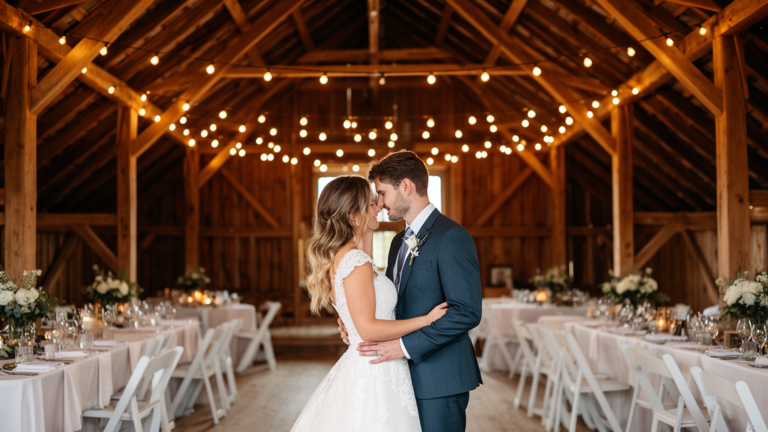
For couples seeking a cozier atmosphere or contingency for unpredictable weather, tasting rooms provide a charming alternative to outdoor events. These indoor spaces often retain the vineyard’s rustic essence through exposed beams, wine barrel accents, and large windows overlooking the vines. They’re ideal for smaller gatherings or as a backup plan, offering built-in intimacy that encourages guest interaction. Many venues allow tasting rooms to be transformed for receptions with custom lighting, table settings, and even dance floors. Note that capacity is typically limited here compared to outdoor spaces, so confirm maximum guest counts during your tour. This setup also simplifies logistics, as wine service is often integrated into the room’s design.
Seasonal Timing: Harvest and Beyond
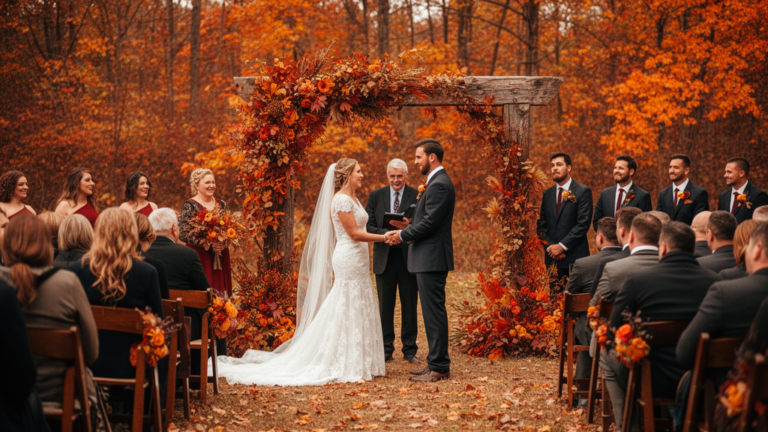
Seasonality is crucial when planning a vineyard wedding. Harvest season (late summer through early fall) brings vibrant energy, with winemaking activities visible and vine colors shifting to warm golds and reds. However, this peak period often means higher demand and potential noise from equipment, so confirm the vineyard’s operational schedule. Spring offers blooming vines and softer light but carries rain risks, while summer provides lush greenery yet requires shade solutions for guests. Winter weddings are less common but can create a magical, intimate feel with indoor-focused celebrations. Always ask venues about seasonal limitations—some close during winter months, while others may restrict outdoor use in cooler weather. Flexibility with your date can open more availability and potentially lower costs.
Food and Wine Synergy: Crafting Your Menu
Vineyard venues excel at connecting local flavors with your wedding menu. Most partner with experienced caterers who design dishes to complement the estate’s wines—think grilled local salmon paired with a crisp Sauvignon Blanc or seasonal vegetable tarts with a light Pinot Noir. Don’t assume all venues handle catering in-house; some require outside vendors, while others have exclusive partnerships. When tasting menus, prioritize dishes that highlight regional ingredients and align with your wine selections. If you’re bringing in a separate caterer, ensure the venue allows this and discuss how wine service will integrate. Many venues include a curated wine list for the event, but clarify whether specialty vintages or additional alcohol options incur extra charges.
Understanding Costs and Inclusions
Vineyard wedding packages vary widely, so request a detailed breakdown of what’s covered. Common inclusions often feature venue rental, basic furniture (tables, chairs, linens), on-site coordination, and access to the vineyard for photography. Some may bundle wine for service, while others charge per bottle or glass. Watch for potential extras like overtime fees, staff gratuities, or costs for tenting if outdoor spaces are used. Since vineyards often have specific vendor requirements, ask whether you can bring in outside suppliers for cake, decor, or entertainment, as restrictions here can impact your budget. Always confirm if setup/breakdown time is included in your rental window to avoid rush-related stress. A clear, written contract is essential to prevent misunderstandings about pricing structure.
How to Choose the Right Vineyard Venue
Start by defining your vision: Do you dream of a sprawling outdoor ceremony or a tasting room gathering? This clarity will narrow your search. Prioritize visiting venues in person to assess the ambiance and layout—photos rarely capture the full experience. During tours, ask practical questions: What’s the backup plan for rain? How far are guest accommodations? Are there noise restrictions for music? Ensure the venue’s capacity aligns with your guest list, as overcrowding can diminish the intimate feel vineyards are known for. Discuss dietary accommodations if needed, as vineyard menus often emphasize local, seasonal dishes. Most importantly, gauge the staff’s responsiveness and enthusiasm; their expertise in managing vineyard logistics can make or break your day. Trust your instincts—if the setting feels right and the team feels supportive, you’ve likely found your match.
Shop vineyard wedding venue on Amazon →
As an Amazon Associate we earn from qualifying purchases.