Garden Wedding Venues: Romance in Bloom
A garden wedding venue offers a natural setting that feels both intimate and grand, with the ever-changing beauty of the seasons providing a backdrop that needs little enhancement. There’s a timeless charm in exchanging vows among blooming flowers and lush greenery, creating moments that feel both personal and connected to the world around you. Let’s explore how to plan your garden wedding with practicality and inspiration in mind.
Why Garden Venues Shine in Photographs
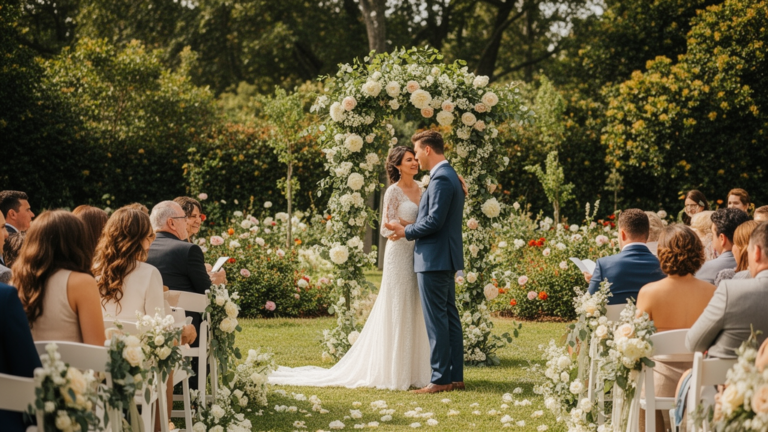
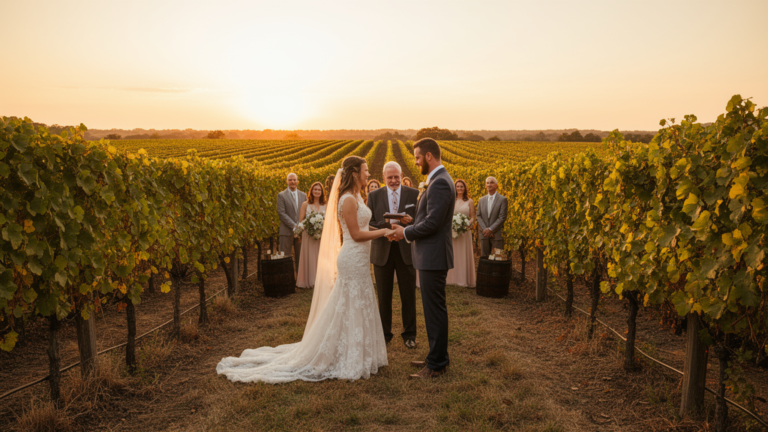
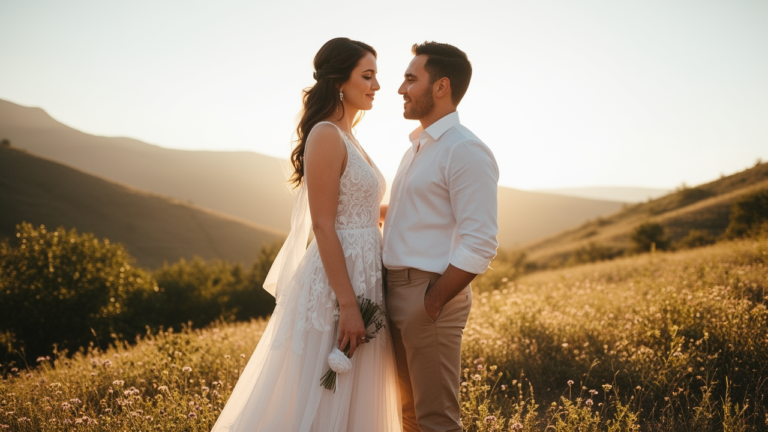
The inherent beauty of a garden wedding venue translates effortlessly into stunning photographs. Natural light filters through trees and blossoms, creating soft, flattering illumination that no indoor lighting can replicate, especially during the golden hour just before sunset. The layered textures of foliage, the vibrant colors of seasonal blooms, and the organic patterns of branches and pathways provide dynamic backdrops that add depth and emotion to every frame.
Photographers often highlight how gardens reduce the need for elaborate staging; a well-chosen spot can serve as a complete scene. Consider these elements when scouting:
- Natural light quality: Open areas with partial tree cover often offer the most even lighting for portraits.
- Varied landscapes: Look for venues with multiple “vignettes”—a rose arbor, a stone pathway, or a water feature—to give your photographer diverse settings without requiring long walks between shots.
- Background consistency: Avoid spots with visual clutter like utility buildings; instead, choose areas where greenery creates a cohesive, unbroken backdrop.
Remember, your venue’s natural structure becomes a silent collaborator in storytelling, turning fleeting moments into lasting impressions.
Exploring Garden Venue Options
Garden wedding venues come in diverse forms, each with distinct advantages. Botanical gardens often provide curated landscapes, expert horticultural knowledge, and established infrastructure like restrooms and parking, though they may have strict rules about decor and vendors. Private estates typically offer exclusivity and flexibility, sometimes including lodging for guests, but require thorough vetting for accessibility and amenities.
Backyard weddings, while deeply personal, demand significant coordination. Homeowners must address permits, utilities, and neighbor considerations, plus rent essential items like restrooms and tents. Key questions for any venue include:
- How does the space flow for guest movement during ceremonies and receptions?
- Is there adequate shade for seating and food service during warmer hours?
- Are restrooms and parking facilities sufficient for your expected guest count?
Regardless of type, prioritize venues where the garden feels integral to the property—not an afterthought—ensuring a cohesive experience from arrival to departure.
Timing Your Wedding with Nature’s Blooms
Seasonal bloom cycles are central to a garden wedding venue’s visual impact, but they vary significantly by region. Spring often showcases tulips, peonies, and cherry blossoms, while summer brings roses, hydrangeas, and sunflowers. Autumn might feature dahlias and late-blooming perennials alongside changing foliage. Research local bloom timelines through regional gardening societies or university extension offices, as weather patterns can shift these windows annually.
When planning, consider:
- Flexibility within seasons: A venue might have peak blooms for only 2–3 weeks; build buffer dates into your planning if possible.
- Year-round possibilities: Evergreen trees, structured topiary, or winter-blooming plants like hellebores can provide beauty even in cooler months.
- Vendor coordination: Share your venue’s bloom schedule with florists to complement—not duplicate—existing greenery, reducing costs and ensuring harmony.
Visiting the venue during your intended season, even for a brief walk-through, reveals how light interacts with the landscape at different times of day.
Preparing for the Unpredictable: Weather Backups
Weather is the most common concern for garden weddings, making contingency planning non-negotiable. A reliable backup should be physically on-site or adjacent to the garden space—like a nearby barn, ballroom, or covered pavilion—to avoid delays during sudden rain or high winds. Tents are a popular solution but require professional installation on stable ground; ensure your venue allows staking and has protocols for rapid deployment.
Communicate your plan clearly:
- Confirm with vendors that they can transition seamlessly to the backup space without disrupting schedules.
- Provide guests with discreet updates via signage or your wedding website if plans change.
- Test airflow and temperature control in backup spaces; outdoor tents may need fans or heaters depending on the season.
Remember, a well-executed backup often feels intentional rather than reactive. Many couples find their tented reception creates a cozy, memorable atmosphere that rivals the original plan.
Enhancing Nature: Decor That Complements, Not Competes
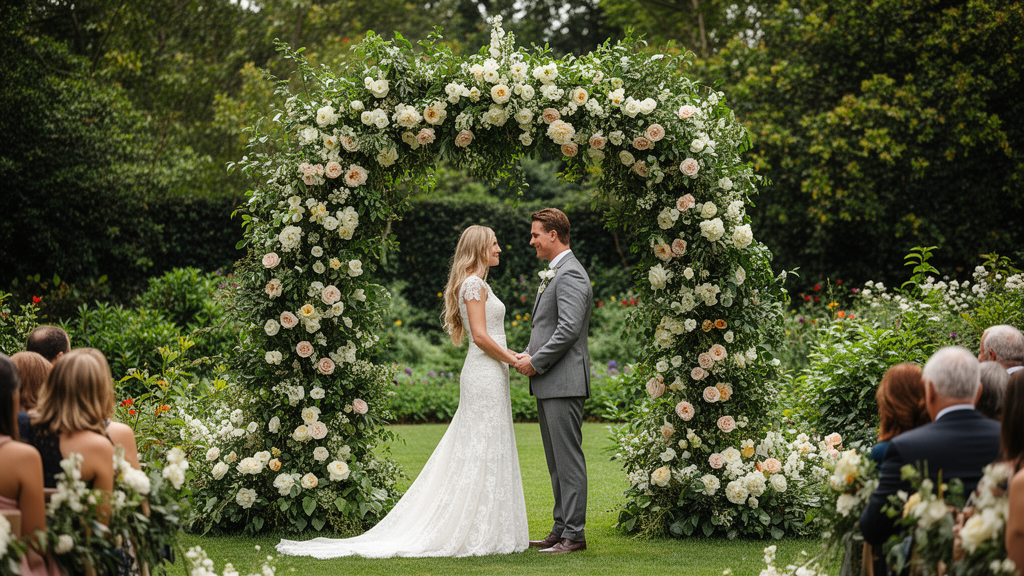
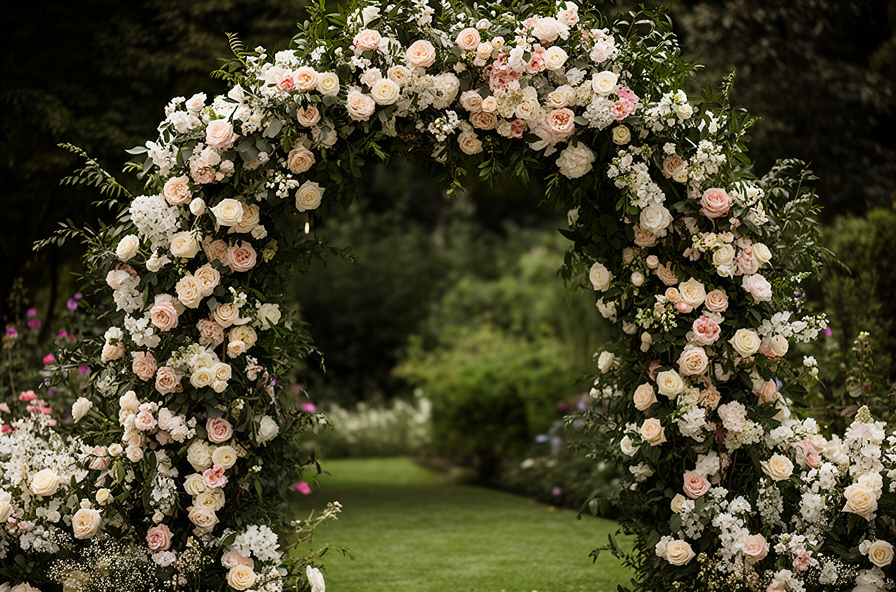
Successful garden wedding decor works with the landscape, not against it. Start by observing the garden’s existing color palette and textures—your goal is to enhance, not overwhelm. A single statement piece, like a floral arch at the ceremony site or a draped fabric canopy over the reception table, can anchor the space without cluttering it.
Practical decor strategies include:
- Lighting for transition: String lights or lanterns extend the magic into evening hours while providing subtle illumination for safety.
- Seating that blends: Opt for wooden chairs or benches over plastic; they harmonize with natural settings and feel more substantial.
- Practical pathways: Use gravel or pavers for muddy areas, ensuring guests move comfortably without damaging plant beds.
- Minimal floral accents: Focus arrangements on key areas like the altar or head table; let the garden’s blooms take center stage elsewhere.
Always prioritize guest comfort—provide shaded seating, fans for humidity, and clear pathways to restrooms. When decor serves function and flows with the environment, it creates an authentic, stress-free celebration.
How to Choose Your Ideal Garden Venue
Selecting the right garden wedding venue requires balancing romance with reality. Begin by defining your non-negotiables: guest count, budget constraints, and must-have amenities like on-site parking or kitchen access. Schedule site visits at the same time of day as your planned ceremony to assess light and noise levels, and ask to see the space during an actual event to gauge crowd flow.
Key considerations include:
- Vendor restrictions: Some venues require you to use preferred vendors; verify if this aligns with your vision or budget.
- Accessibility: Ensure paths are wheelchair-friendly and restrooms are conveniently located, especially for elderly guests.
- Sound management: In open gardens, confirm if you can use microphones or if background noise (like nearby roads) might interfere with vows.
Trust your instincts—if a space feels overwhelming to navigate or compromises your comfort, it’s worth continuing your search. The best garden wedding venue feels like a natural extension of your story, where every detail supports the joy of the moment rather than distracting from it. With thoughtful planning, your garden setting will offer not just beauty, but a foundation for memories that grow richer with time.
Shop garden wedding venue on Amazon →
As an Amazon Associate we earn from qualifying purchases.