Beach Wedding Venue Ideas
Planning a beach wedding brings the soothing rhythm of the ocean into your celebration—a dream for couples who crave simplicity, natural beauty, and the timeless feel of salt air and sunset skies. But turning that vision into reality requires thoughtful preparation, especially when navigating the unique challenges of seaside venues.
Choosing the Right Beach Wedding Venue
When exploring beach wedding venues, you’ll encounter two main types: public beaches and resort or private beach properties. Public beaches offer stunning, open landscapes and are often more affordable, but they come with restrictions—no vendor access, limited parking, or strict noise ordinances. Resort beaches, on the other hand, typically include built-in amenities like restrooms, catering services, and staff support, making coordination easier but often at a higher cost. Consider your guest count, desired level of convenience, and how much control you want over the day’s logistics. A smaller, intimate gathering may thrive on a quiet public stretch, while a larger celebration often benefits from the structure of a resort setting.
Permits, Regulations, and Local Rules
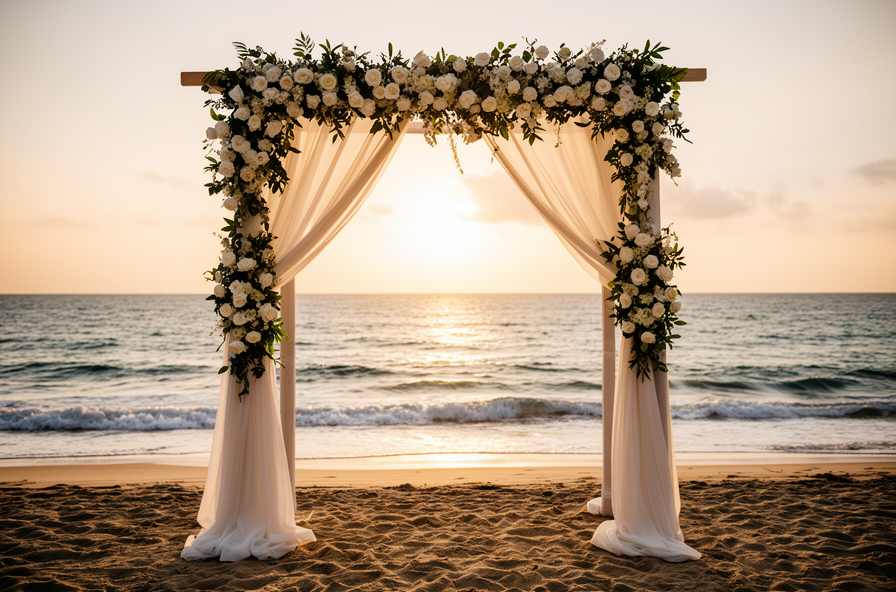
Never assume you can say “I do” anywhere along the shore. Most coastal areas require permits for weddings, especially if you plan to use chairs, arches, tents, or amplified sound. Local governments may limit the number of guests, require insurance, or restrict setup times to protect wildlife or public access. Contact your city or county clerk’s office early in your planning—some permits take weeks to process. Ask about designated wedding zones, curfews, and cleanup requirements. A permit isn’t just paperwork; it’s your legal guarantee that your ceremony can proceed without interruption.
Working With Nature: Tides, Wind, and Weather
The ocean doesn’t keep a schedule. High tide can swallow your ceremony spot, and a sudden breeze can send invitations flying or knock over candles. Check tide charts for your wedding date and choose a location that remains dry during your planned ceremony time. For wind, opt for low-profile decor—potted plants, lanterns with weighted bases, or fabric tied securely to driftwood instead of tall floral arrangements. Always have a backup plan: a nearby pavilion, a tented area, or even a nearby reception hall. Many couples find that a light breeze adds to the romance, but being prepared for a sudden storm keeps your day stress-free.
Decor That Thrives by the Sea
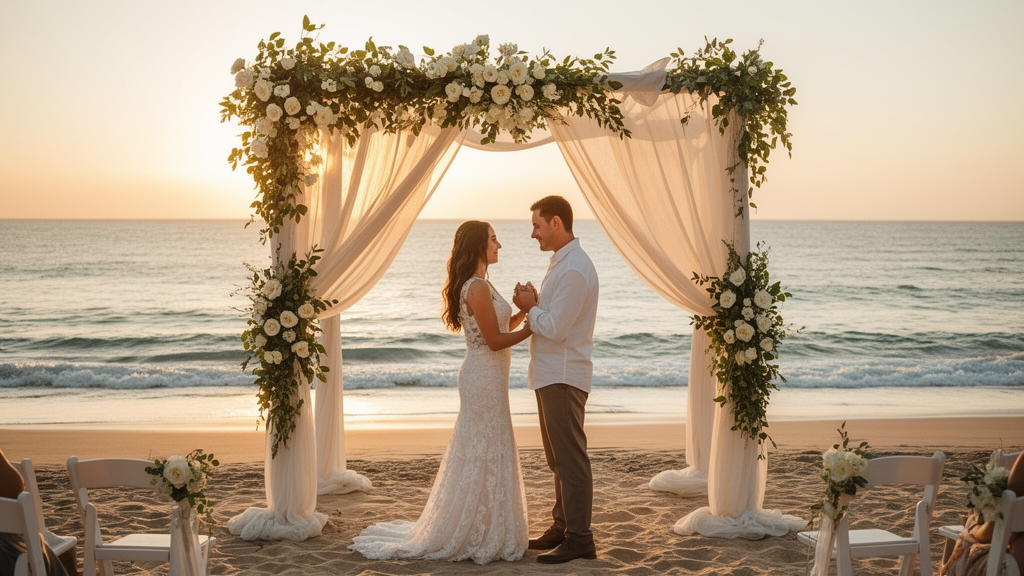
Beach decor should embrace, not fight, the environment. Skip delicate paper elements and opt for durable materials: seagrass mats instead of rugs, glass jars for candles, and wooden signs with weather-resistant paint. Use natural textures like rope, shells, and driftwood—they’re both beautiful and beach-appropriate. For seating, choose lightweight chairs that won’t sink into sand. If you’re using aisle markers, anchor them with stones or sand-filled buckets. Lighting is key as the sun sets early: battery-operated string lights, lanterns with LED bulbs, or solar-powered path lights keep the ambiance warm without the risk of fire. Keep colors soft and neutral—whites, creams, seafoam greens, and sandy beiges blend naturally with the shore.
What to Ask Your Venue or Coordinator
Ask specific, practical questions before booking. Does the venue provide a backup indoor space? Are there restrooms nearby? Can vendors set up the day before? Is there a designated area for guest parking or shuttles? Who handles cleanup? Can you use real candles, or are flameless only allowed? Don’t forget to ask about noise restrictions—many beaches enforce quiet hours after sunset. If you’re using a resort, clarify what’s included: chairs, tables, linens, or even a coordinator on-site. The right answers will help you avoid surprises and ensure your day flows smoothly.
What to Wear: Comfort Meets Elegance
Your attire should reflect the setting without sacrificing comfort. Brides, consider lightweight fabrics like chiffon, lace, or linen—avoid heavy trains that drag through sand. A shorter hemline or a slit can make walking easier. For footwear, many brides choose barefoot ceremonies or wear flat sandals they can change into later. Grooms and groomsmen can skip suits in favor of linen shirts and lightweight trousers. Guests should be encouraged to wear comfortable shoes—sandals or flats—and to dress for the weather. A light shawl or wrap is a thoughtful touch for evening ceremonies. Remember: the goal is to look beautiful, not to struggle. Let the ocean’s calm inspire your style, not limit it.
Your beach wedding isn’t just a location—it’s an experience. The sound of waves, the warmth of the setting sun, the feeling of sand beneath your feet: these are the moments that linger long after the last guest leaves. With thoughtful planning, the right questions, and a little flexibility, your seaside celebration can be as seamless as it is unforgettable. Let the tide carry your worries away—and leave only joy behind.
Shop beach wedding venues on Amazon →
As an Amazon Associate we earn from qualifying purchases.