Elopement Package What Is Included
What’s Typically Included in an Elopement Package?
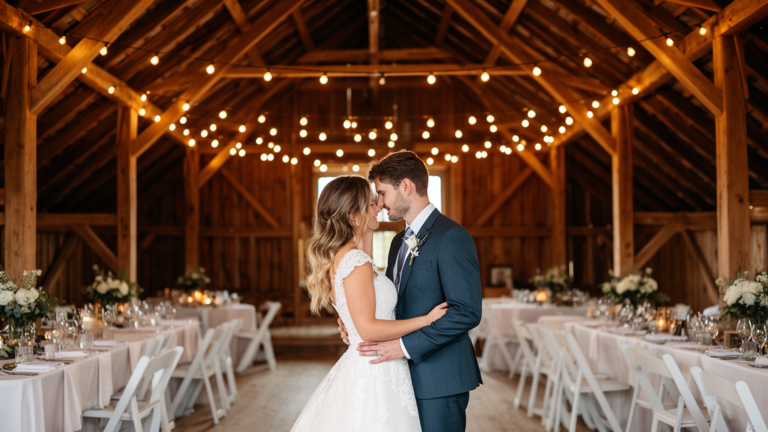
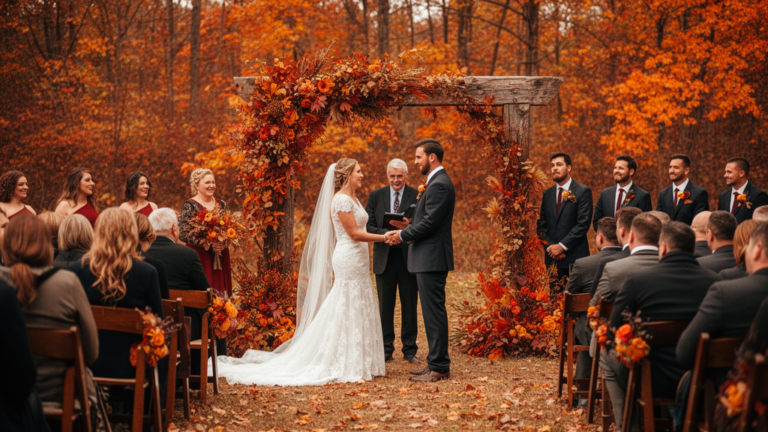
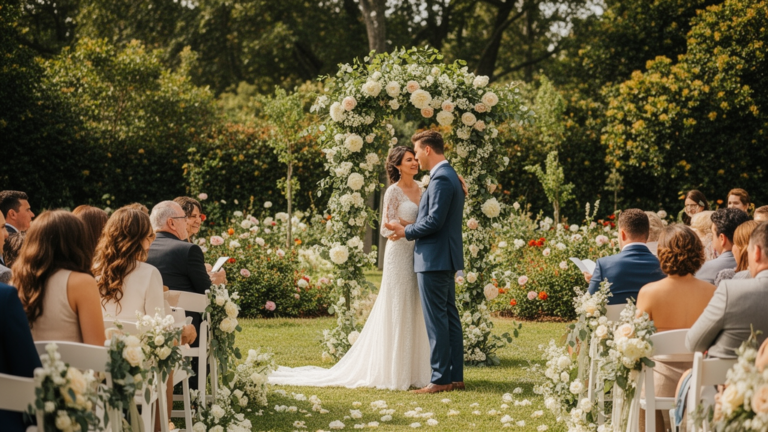
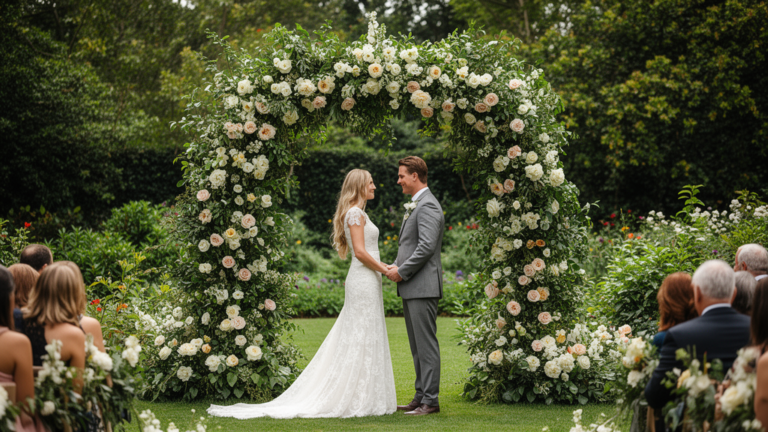
Most elopement packages bundle core elements to simplify planning for small weddings. You’ll generally find a dedicated ceremony space for a specified number of guests, often with basic seating like chairs or benches. Many include a wedding coordinator or venue host to manage timelines, vendor check-ins, and setup/breakdown. Standard packages frequently cover essential items such as a marriage license application guide, a officiant or officiant referral, and basic decor like an aisle runner or simple arch. Some venues also provide a private preparation room for getting ready, along with coordination for photography timing. Remember that “basic” varies by location—coastal venues might include beach access permits, while historic properties may cover security fees. Always confirm guest count limits and whether setup time is included, as these impact your experience.
Optional Add-Ons to Consider for Your Elopement
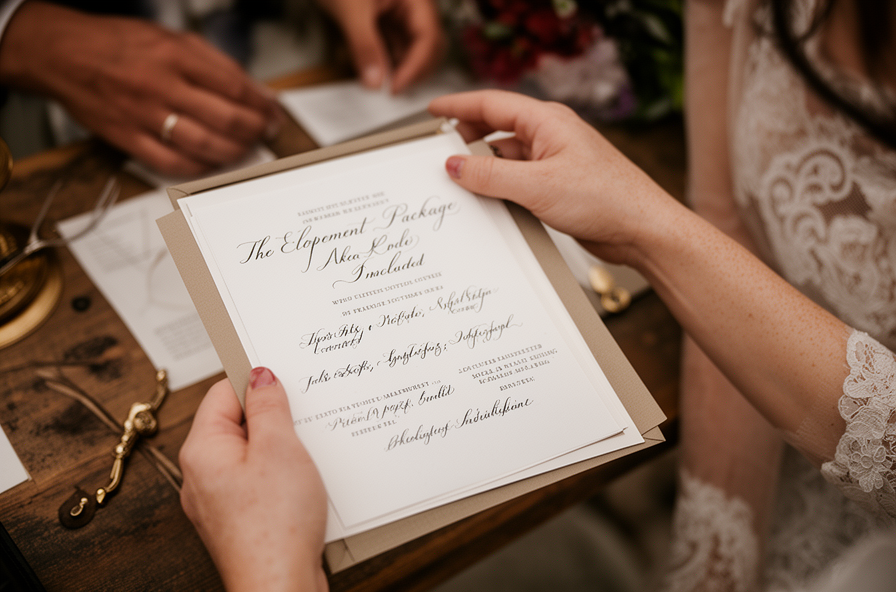
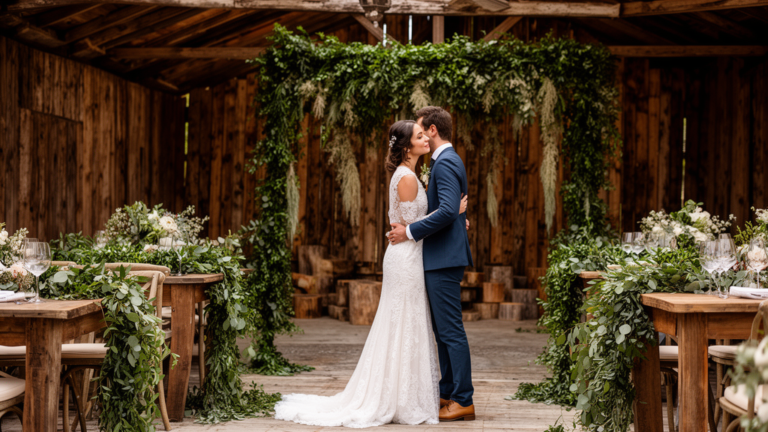
While core packages cover fundamentals, meaningful touches often require extras. Photography or videography is the most common add-on, especially if you want professional documentation beyond a friend’s snapshots. Many couples add floral arrangements like a single bouquet, boutonnieres, or altar greenery. Catering options—such as a champagne toast, dessert table, or full meal—elevate the celebration without overwhelming complexity. Some venues offer post-ceremony amenities like a private photo session with a local guide or a welcome bag with maps and snacks. If you’re traveling, inquire about lodging discounts for you and a small guest party. Prioritize additions that reflect your priorities: a couple focused on adventure might value a guided hike to the ceremony site, while food lovers may prefer a curated tasting menu.
Red Flags to Watch For When Reviewing Packages
Be cautious of vague language like “all-inclusive” without itemized details—this often hides limitations. If a package lists “coordination services” but doesn’t specify whether the coordinator is on-site during the ceremony, clarify their role. Watch for hidden fees: some venues charge extra for weekend bookings, overtime, or even guest count increases beyond five people. Avoid contracts that lock you into specific vendors without alternatives, as this limits your choices. Another warning sign is unclear cancellation policies, especially if non-refundable deposits exceed standard practice. Finally, if a venue can’t provide recent photos of actual elopements (not staged stock images), ask why—this could indicate infrequent experience with small weddings. Always request a written breakdown of every cost before signing.
How to Compare Elopement Packages Effectively
Start by creating a side-by-side checklist of what each package includes. Note differences in guest limits, ceremony duration, and setup/teardown times. Compare “what’s covered” versus “what’s extra” across three vendors to spot inconsistencies. For example, one venue might include an officiant, while another charges separately—this affects your total budget. Ask for a sample contract to review cancellation terms and insurance requirements. Check if packages include necessary permits (like beach or park fees), as these can add significant costs. Also, evaluate flexibility: can you reduce guest count without penalty? Does the venue accommodate special requests like a first look or post-ceremony photos? Finally, factor in travel logistics—some remote locations require separate transportation or parking fees not mentioned in the base package.
Customizing Your Package to Fit Your Vision
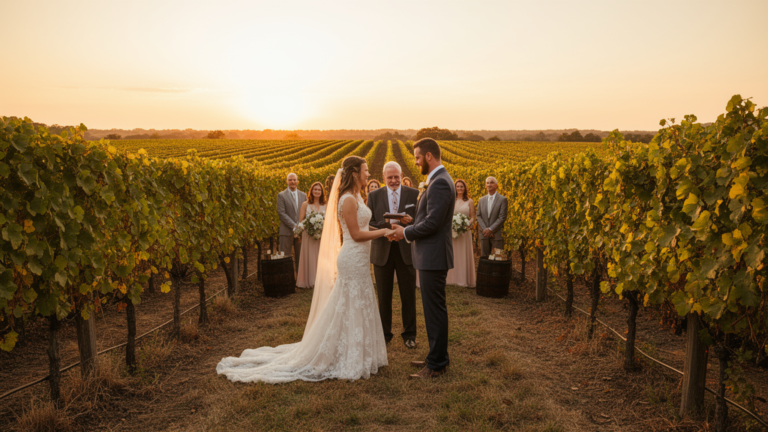
Don’t feel confined by standard packages. Most venues welcome reasonable customizations if you communicate early. If you’re skipping a traditional ceremony, ask if they can tailor the timeline for a sunrise vow exchange followed by brunch. For destination elopements, inquire about local partnerships for unique touches like a flower crown maker or a private chef. Be specific about your non-negotiables: a couple wanting a pet-friendly ceremony should confirm if animals are allowed in the venue space. Similarly, if you prefer a non-religious ritual like handfasting, verify that the officiant can incorporate it. Remember, simplicity is key—focus on 2-3 personalized elements (e.g., a custom vow book, locally sourced cake) rather than trying to overhaul the entire package. This keeps costs manageable while making your day uniquely yours.
Key Questions to Ask Before Booking
Before committing, get clear answers to these practical questions. Ask, “What’s the maximum guest count for the package, and what’s the fee per additional person?” to avoid surprise costs. Inquire, “Is the officiant licensed in this state/county, and are they part of the package or an outside vendor?” to ensure legal compliance. Clarify, “What happens if it rains or the venue is inaccessible?” to understand contingency plans. Request details about the setup process: “How much time do we get for preparation and photos?” and “Who handles decor setup/breakdown?” For cost transparency, ask, “What’s the total due at signing versus later?” and “Are taxes, service fees, or gratuity included?” Finally, confirm, “Can you share recent examples of elopements you’ve hosted?” to gauge their experience with small weddings. These questions reveal whether a venue truly aligns with your needs.
Shop elopement package what is included on Amazon →
As an Amazon Associate we earn from qualifying purchases.