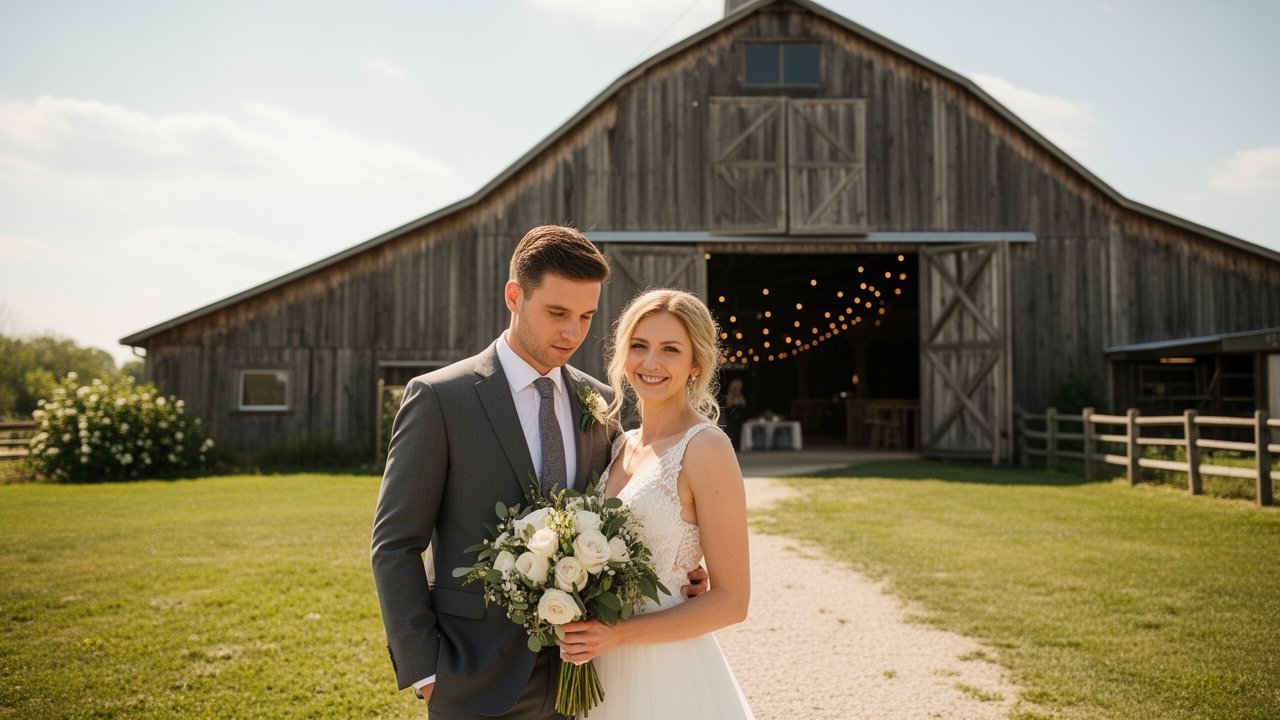
Barn Wedding Venue Checklist
A barn wedding venue checklist is your step-by-step tool for evaluating rustic venues before you sign a contract — covering everything from structural condition and climate control to vendor access and backup plans for weather. Because barns are often historic or working-farm properties, they come with unique quirks that a standard venue tour won’t reveal, so walking in with a prepared list of questions protects your budget, your timeline, and your big day itself. This guide gives you exactly what to check, ask, and confirm before booking.
Why a Barn Wedding Venue Checklist Matters
Barn venues are beloved for good reason: soaring wooden beams, string-light-ready rafters, wide-open lawns, and a relaxed atmosphere that makes guests feel instantly at ease. But that charm comes with practical trade-offs. Many barns are seasonal-only properties, lack commercial kitchens, sit at the end of long gravel roads, or require you to bring in nearly everything — tables, restrooms, even power.
A checklist keeps you from falling in love with a beautiful space and overlooking the logistics that make or break a wedding. It also gives you a fair way to compare multiple venues side by side, since no two barns (or barn packages) are priced or structured the same way.
How to Choose a Barn Wedding Venue: The Core Questions
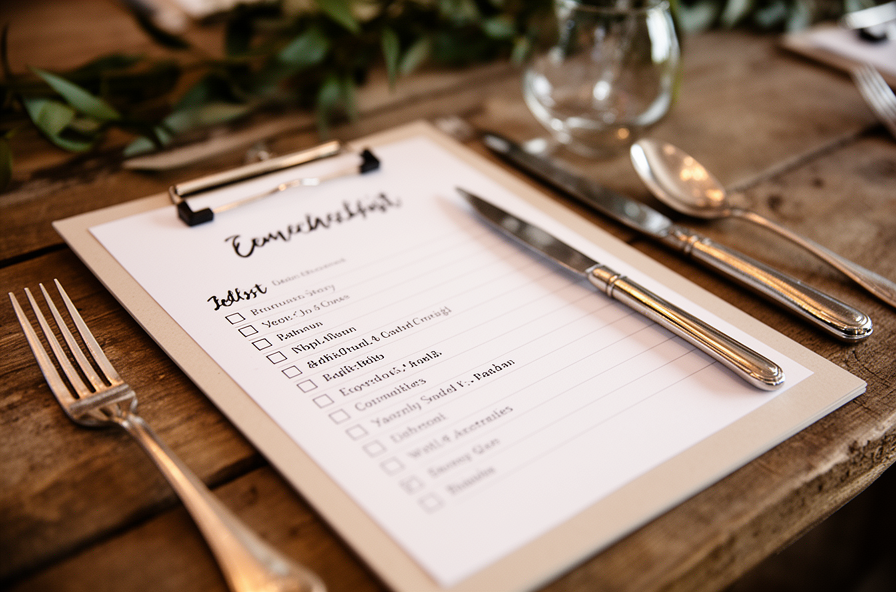
Before touring, narrow your search using these fundamentals:
- Capacity and comfort: Ask for the venue’s maximum seated capacity with a dance floor, not just the fire-code number. Barns often lose seating flexibility to support posts and irregular walls.
- Exclusive use: Do you get the whole property for the day, or will other events or farm activity overlap with yours?
- What’s included: Clarify whether tables, chairs, linens, lighting, and setup/takedown labor are provided or rented separately. All-inclusive barns and “blank canvas” barns can look identical online but cost very differently once you add rentals.
- Hours and access: When can your vendors arrive, and what time must everything be cleaned up? Some barns require same-night teardown, which affects your rental orders and your party plans.
- Noise and curfews: Rural neighbors and county ordinances can mean early music cutoffs. Confirm the allowed end time for amplified sound in writing.
The Structural and Site Checklist
When you tour, look past the décor and assess the property itself:
- Climate control: Is there real heating and air conditioning, or only fans and space heaters? Ask how the barn performs in your wedding month specifically — a July afternoon or a January evening can change everything.
- Flooring and footing: Check for uneven planks, gaps that catch heels, and how the ground outside holds up after rain. Ask whether walkways are graveled, paved, or grass.
- Restrooms: Are there permanent, code-compliant restrooms on site, or will you need to rent portable facilities? Count them against your guest list.
- Power and lighting: Ask about amperage and outlet locations — caterers, bands, and lighting designers all need to know. If power is limited, confirm what’s allowed (quiet generators, etc.).
- Parking and arrival: How many cars fit, how far is the walk, and is overflow or shuttle service needed? A long, dark gravel drive at night matters more than you’d think.
- Catering kitchen: Many barns have only a prep area, not a full kitchen. Your caterer will tell you quickly if the space works — get them on a call with the venue before booking.
- Weather backup: If your ceremony is outdoors, ask exactly where the rain plan happens and whether it requires flipping a space (and who does the flipping).
Key Barn Venue Styles and Types
Knowing which type of barn you’re touring helps you ask the right questions:
- Restored historic barns: Full of character, but often with strict preservation rules — no attaching anything to walls or beams, limited electrical, and sometimes restrictions on candles or open flame.
- Purpose-built “barn-inspired” venues: Modern construction with barn aesthetics, usually offering better climate control, kitchens, and accessibility. Less rustic authenticity, more predictability.
- Working farms: Animals, fields, and farm equipment nearby create atmosphere — but ask about smells, noise, liability rules around animals, and whether guests can interact with livestock.
- Vineyard or orchard barns: Scenery is built in, but confirm whether tastings, tours, or harvest activity coincide with your date.
- Blank-slate rental barns: You bring everything in, which means maximum creative control and maximum rental logistics. Price out tables, chairs, restrooms, and lighting before assuming it’s the budget option.
Common Mistakes Couples Make
Avoid these pitfalls that trip up barn-wedding couples every season:
- Booking for the photo, not the month: A barn that’s dreamy in October can be sweltering or frigid in other seasons. Visit at a similar time of day — and season if possible — to your wedding.
- Ignoring the vendor load-in: Long driveways, narrow doors, and no loading dock affect caterers and florists. Some barns limit vehicle access to certain paths.
- Underestimating décor labor: If draping, hanging lights, or installing installations is restricted, your vision may need adjusting — or your rental quote may grow.
- Forgetting guest accessibility: Ask about steps, gravel, lighting after dark, and distance between ceremony, cocktail, and reception areas for older guests.
- Skipping the insurance and permit questions: Ask whether the venue requires event insurance, what their liability coverage is, and whether amplified outdoor music or fireworks need permits.
- Not reading the cancellation and weather policy: Rural venues sometimes close for flooding or storms. Know your refund terms before signing.
Practical Tips for Touring and Negotiating
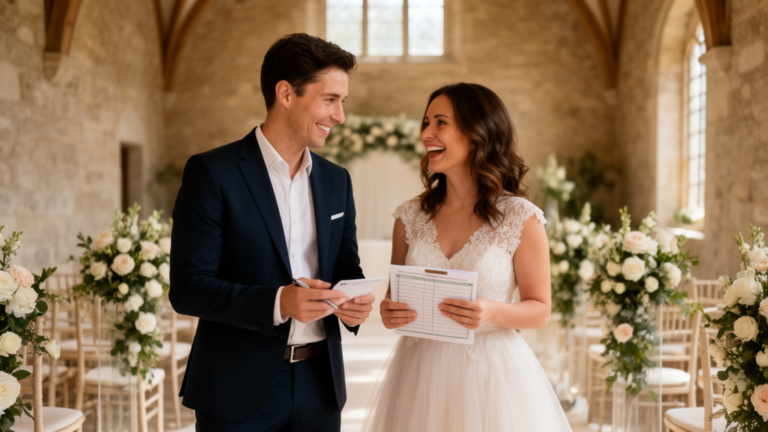
- Bring your checklist printed: Take notes on-site for each venue using the same categories so comparisons stay honest.
- Ask for a sample itemized budget: Request a realistic total from a past couple’s event (with numbers generalized if needed) so you can see the true cost of a “venue-only” barn.
- Confirm the noise, alcohol, and decoration rules in the contract: Verbal assurances don’t survive staff turnover. If it matters, it goes in writing.
- Ask about on-site coordination: Is a venue manager present on the day, and what do they handle versus what falls to you or your planner?
- Check the booking calendar: Popular barns book peak-season Saturdays far in advance; off-season or Friday/Sunday dates often come with more flexibility and negotiating room.
- Visit with your caterer or planner if you can: An experienced vendor will spot issues — power, prep space, load-in — that couples miss.
- Sleep on it: Reputable venues won’t pressure you to sign the same day. If someone does, treat that as a flag.
How to Choose: Your Final Decision Framework
When you’ve toured two or three barns, score each one against four pillars. First, the space itself — capacity, condition, climate control, and whether it photographs the way you imagine. Second, the logistics — restrooms, parking, kitchen, power, and a genuine weather backup plan. Third, the total cost — not the rental fee, but the full picture including rentals, décor restrictions, and vendor requirements. Fourth, the people — responsive communication and a contract that matches what you were told on the tour.
The right barn is the one where charm and practicality meet: a space you love that also runs smoothly for your guests and vendors. Use your checklist on every tour, get every promise in writing, and don’t let rustic romance rush you past the fine print. Do that, and you’ll sign your barn venue contract knowing exactly what you’re getting — and spend the months that follow getting excited about the fun parts instead.
Shop barn wedding venue checklist on Amazon →
As an Amazon Associate we earn from qualifying purchases.