Affordable Wedding Venues with In-House Catering (2026 Guide)
Looking for affordable wedding venues with catering? You’re in the right place. This guide reveals how in-house catering can stretch your budget further without sacrificing your dream wedding, offering practical strategies for cost-conscious couples planning their 2026 celebration.
Why In-House Catering Saves You Money
Choosing a venue with in-house catering eliminates several hidden expenses that often surprise couples when hiring outside vendors. First, you avoid outside vendor fees—many standalone venues charge 15-25% for allowing third-party caterers, a cost that disappears when the venue handles food service themselves. Second, in-house teams streamline coordination; the same staff managing your space also oversees food delivery, reducing miscommunication and potential overtime charges for both parties. Finally, venues with built-in kitchens minimize rental costs for equipment like chafing dishes or refrigeration units, which outside caterers typically pass to the couple. This integrated approach often creates predictable pricing, preventing last-minute add-ons like “kitchen access fees” or “staffing surcharges” that inflate standalone catering bills.
Consider the ripple effect: when your venue manages both space and food, they can optimize setup timelines. Your reception might flow directly from ceremony without extra venue staff hours, and leftover food can be repurposed for late-night snacks without separate delivery fees. This cohesion reduces stress and budget leaks, letting you allocate savings toward meaningful touches like flowers or photography.
Top Budget-Friendly Venue Types with In-House Catering
Community centers and public parks with pavilions consistently offer the most accessible in-house catering options. These venues often operate on nonprofit models, so their fees prioritize accessibility over profit. Many include basic catering packages with staffed meal service, using existing kitchens to keep costs low. Park pavilions, in particular, frequently partner with city-run food services that handle everything from setup to cleanup at fixed per-person rates.
Historic homes and museums during off-hours present another smart choice. These venues often have resident catering teams trained to work within tight budgets, especially on weekdays or Sundays. Their existing infrastructure—like commercial kitchens and built-in seating—reduces rental add-ons. Similarly, churches and religious halls frequently provide simple, all-inclusive packages through affiliated catering groups, with donated volunteer labor keeping per-head costs minimal.
Wineries and farms with on-site kitchens also stand out for value. While some charge premium rates for weekends, their weekday availability often includes discounted catering bundles where the venue fee covers both space and food. These settings typically offer flexible guest counts, so you only pay for the space you use without minimum requirements inflating costs.
Understanding Catering Costs Per Head
Catering pricing varies significantly by region, season, and menu complexity, but in-house options generally offer more transparency than outside vendors. Most venues quote a single all-inclusive rate covering food, staff, and basic tableware, which avoids the “a la carte” fees that outside caterers often add for servers or equipment rentals. This bundled approach makes it easier to compare apples to apples when budgeting.
While exact averages depend on your location, many couples find that in-house catering at budget venues falls between $30–$60 per person for full service. This range typically includes three courses, staffing, and standard linens. Crucially, these quotes rarely include surprise charges for “kitchen facility use” or “corkage fees,” which outside vendors frequently impose. Always confirm whether sales tax, service fees, and staff gratuities are included in the base rate to avoid unexpected costs.
Essential Questions to Ask Your Venue
Before signing a contract, clarify these points to ensure true affordability:
- Is the quoted rate truly all-inclusive? Ask specifically about sales tax, service fees, and staff gratuities—many venues list these separately.
- What happens if we need to reduce guest count? Confirm if you’ll receive a refund or credit for no-shows and if there’s a minimum headcount penalty.
- Can we provide our own cake or alcohol? Some venues charge “corkage” or “cutting fees” for outside items, negating savings.
- Are there overtime charges for the catering team? Inquire about the standard service window and per-hour fees if you extend it.
- What’s included in the base menu price? Verify whether appetizers, staffing, and basic tableware (like plates and silverware) are covered.
Also request sample contracts from past couples to spot hidden clauses. If a venue hesitates to answer these directly, it may signal future billing issues.
Sample Menus Designed Under $50 Per Person
Many budget venues create flexible menus that stay under $50 through smart ingredient choices and efficient service styles. Buffet or family-style setups reduce staffing needs, while seasonal produce and proteins like chicken or pasta keep food costs low without feeling cheap. Here are two realistic examples:
Classic Comfort Buffet: Start with a passed appetizer of spinach-artichoke dip with crostini. The main station offers herb-roasted chicken, garlic mashed potatoes, and roasted seasonal vegetables (like zucchini and bell peppers in summer). A pasta bar with two sauces (marinara and pesto) accommodates vegetarians. Finish with a simple dessert station featuring mini cheesecakes and fresh fruit. This menu leverages shared stations to minimize labor and uses affordable proteins, keeping it within budget while feeling abundant.
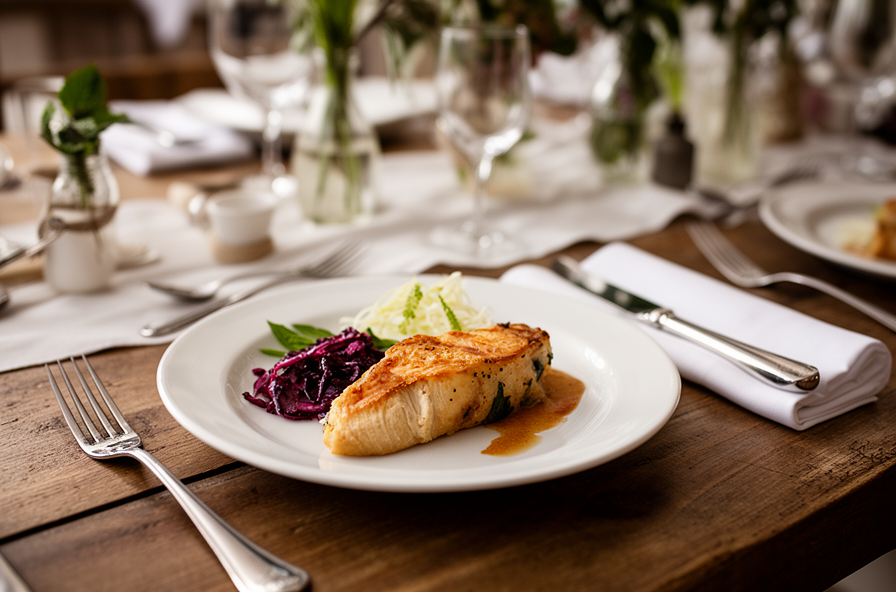
Global-Inspired Family Style: Begin with a salad of mixed greens, cucumbers, and lemon-herb vinaigrette. Mains include braised beef short ribs with polenta, lemon-herb grilled salmon, and a hearty vegetable paella. Sides like roasted sweet potatoes and garlic bread complement all proteins. Dessert features a build-your-own sundae bar with vanilla ice cream and toppings. By using slow-cooked meats that stretch portions and a single dessert activity, this menu maximizes impact without per-item costs adding up.
Both examples prioritize dishes that are easy to scale, minimize waste, and use ingredients that are cost-effective year-round. When reviewing proposals, ask venues how they’d customize these templates to your dietary needs while staying within your per-person limit—most in-house teams will adjust portions or swap proteins to hit your target.
Maximizing Your In-House Catering Investment
Once you’ve chosen a venue, work closely with their catering manager to refine your budget. Share your total wedding budget upfront so they can suggest cost-saving swaps, like upgrading only the entrée while keeping appetizers simple. Many in-house teams also offer “menu tasting credits” that apply toward your final bill, letting you test dishes without extra expense.
Finally, remember that in-house catering shines in its flexibility. If you need to cut costs later, venues can often reduce portions slightly or switch to a less expensive protein without requiring a new vendor contract. This adaptability is invaluable for couples navigating budget changes—and it’s the true power of choosing an all-in-one venue for your affordable wedding. With thoughtful planning, you’ll create a celebration that feels generous and personal, proving that financial responsibility and romance go hand in hand.
Shop affordable wedding venues with catering on Amazon →
As an Amazon Associate we earn from qualifying purchases.